High blood pressure, also called hypertension, is a very common condition that can quietly damage your health over time. Because it often causes no obvious symptoms, many people do not know they have it until complications develop.
Regular blood pressure screenings and routine medical care are important for detecting high blood pressure early and reducing the risk of serious health problems.
What Is High Blood Pressure?
High blood pressure occurs when the force of blood pushing against artery walls remains consistently too high. Left untreated, it can increase the risk of heart disease, stroke, kidney disease, and other health conditions.
Blood pressure naturally changes throughout the day, but persistently elevated readings can strain your heart and blood vessels over time. This is why hypertension is often called a “silent” condition.
Many people with high blood pressure feel completely normal and have no warning signs.
What Symptoms Can High Blood Pressure Cause?
Most people with high blood pressure have no symptoms at all. In many cases, hypertension is only discovered during a routine medical exam.
Although high blood pressure usually does not cause symptoms, some people may experience:
- Headaches
- Dizziness
- Blurred vision
- Shortness of breath
- Fatigue
- Nosebleeds
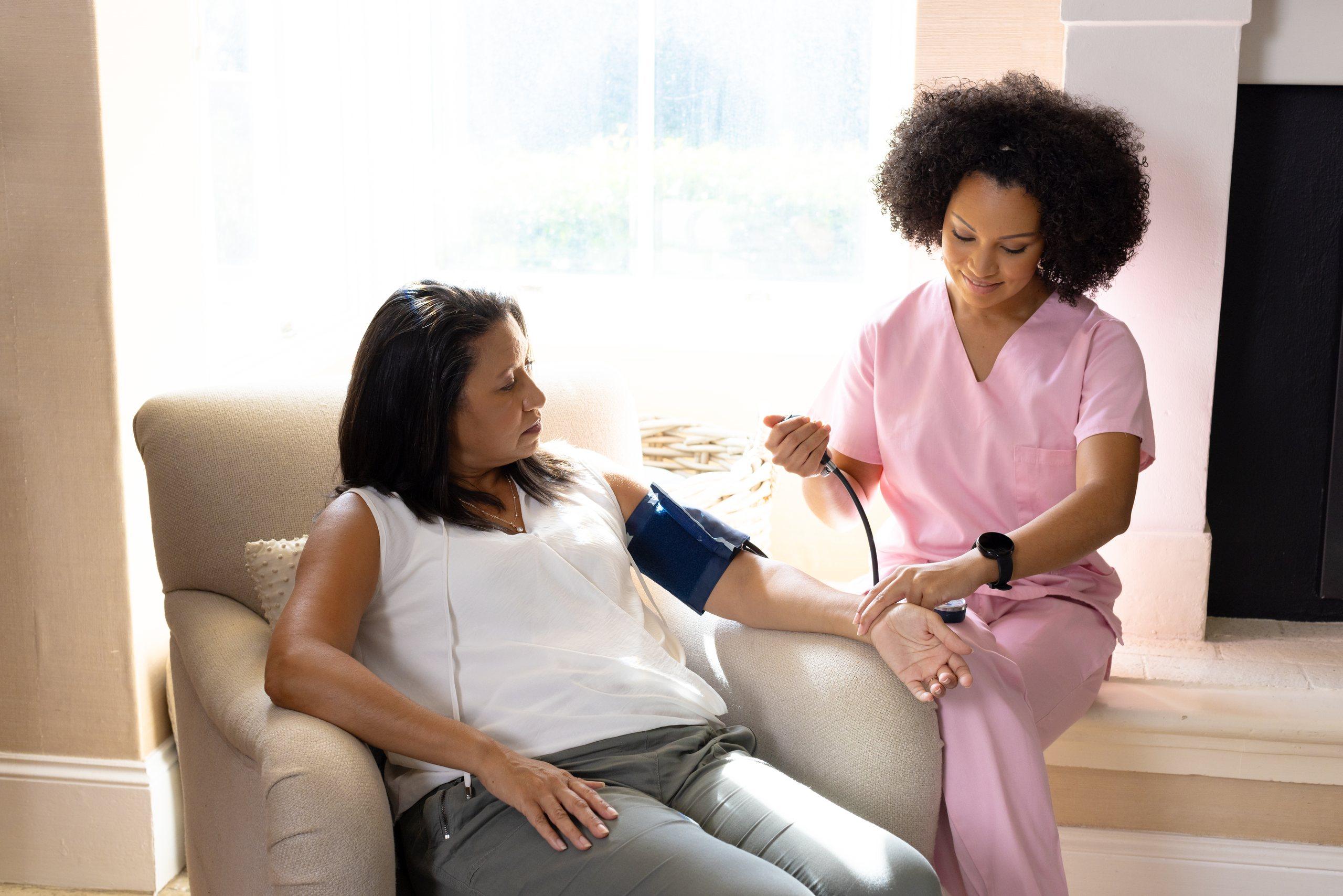
These symptoms can have many causes and do not always mean blood pressure is elevated. The only reliable way to know your blood pressure is to have it measured.
Why Is High Blood Pressure Often Missed?
High blood pressure is frequently missed because it can develop gradually and silently. Many people feel healthy even when their blood pressure is dangerously high.
Risk factors for hypertension include:
- Family history
- Being overweight
- Physical inactivity
- Smoking
- Excessive alcohol use
- High-sodium diets
- Chronic stress
- Increasing age
The holiday season can sometimes contribute to elevated blood pressure due to increased stress, rich foods, alcohol consumption, and disruptions to normal routines.
How Can You Manage High Blood Pressure?
Healthy lifestyle choices and medical treatment can help control blood pressure and reduce the risk of complications.
Helpful strategies include:
- Following a heart-healthy diet
- Limiting sodium intake
- Exercising regularly
- Maintaining a healthy weight
- Managing stress
- Getting adequate sleep
- Taking blood pressure medications as prescribed
Even small lifestyle changes can make a meaningful difference in blood pressure control.
Frequently Asked Questions
1. Can high blood pressure cause symptoms?
Most people with high blood pressure have no symptoms, which is why routine screening is so important.
2. What is considered high blood pressure?
A healthcare provider can interpret your readings and determine whether they fall within a healthy range or require treatment.
3. Can stress raise blood pressure?
Yes. Stress can cause temporary increases in blood pressure and may contribute to long-term health risks when combined with other factors.
4. Can high blood pressure be prevented?
Many cases can be prevented or managed through healthy lifestyle habits such as regular exercise, a balanced diet, and maintaining a healthy weight.
5. Why should I monitor my blood pressure during the holidays?
Holiday meals, increased stress, travel, and changes in routine can affect blood pressure, making this season a good time to stay mindful of your health.
Conclusion
High blood pressure is often called the “silent killer” because it frequently develops without noticeable symptoms. The good news is that regular screenings, healthy habits, and proper treatment can help protect your long-term health.
Medical Disclaimer: This article is for educational purposes only and is not a substitute for professional medical advice, diagnosis, or treatment. The information presented is general in nature and may not apply to your individual health situation. If you have symptoms, concerns, or questions about your health, consult a qualified healthcare professional. Reading this article does not create a doctor-patient relationship with Capital Care Clinic.
Need personalized medical advice? Our doctors can assess your individual health needs and discuss appropriate care options. Schedule an appointment online or call our office at 301-909-4000.