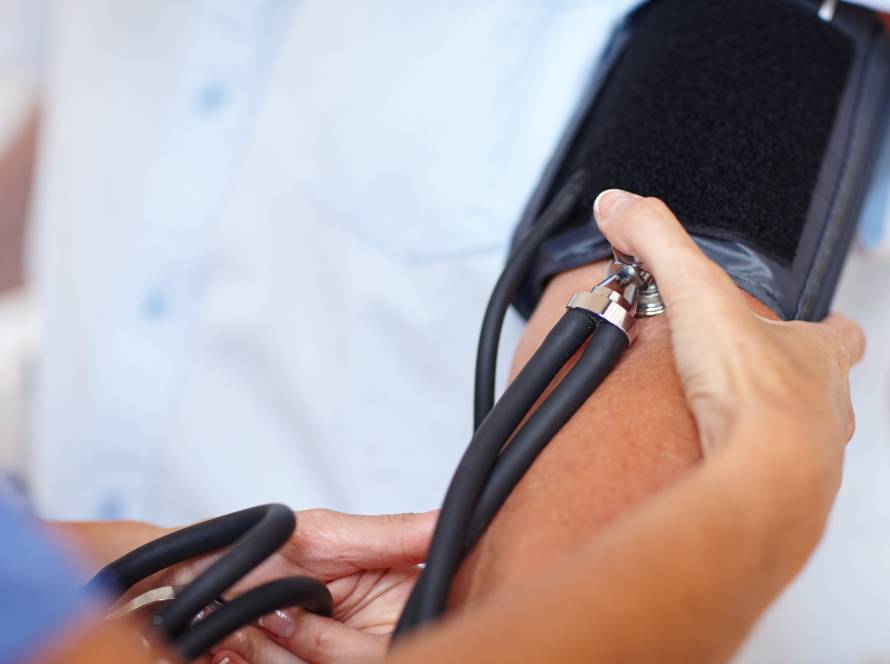
Diabetes is a common chronic condition that affects how your body uses blood sugar, also known as glucose. Early diagnosis and treatment can help prevent serious health complications and improve long-term health outcomes.
Because symptoms can develop gradually, many people do not realize they have diabetes until the condition begins affecting their daily life. Knowing the warning signs can help you seek medical care sooner.
What Is Diabetes?
Diabetes occurs when the body cannot properly regulate blood sugar levels. Over time, high blood sugar can damage blood vessels, nerves, kidneys, eyes, and other organs.
The most common forms are Type 1 diabetes and Type 2 diabetes. Type 2 diabetes is far more common in adults and often develops gradually over many years.
In some cases, people may also develop prediabetes, a condition in which blood sugar levels are higher than normal but not yet high enough for a diabetes diagnosis.
What Are the Early Warning Signs of Diabetes?
Common early signs of diabetes include increased thirst, frequent urination, and unusual fatigue. Symptoms may be mild at first and easy to overlook.
Some of the most common warning signs include:
- Increased thirst
- Frequent urination
- Extreme hunger
- Fatigue or low energy
- Blurred vision
- Unexplained weight loss
- Slow-healing cuts or wounds
- Frequent infections
These symptoms occur because the body has difficulty using glucose effectively for energy.
What Other Symptoms Should You Watch For?
As diabetes progresses, additional symptoms may develop. Some people may experience symptoms for months before seeking treatment.
Other potential warning signs include:
- Tingling or numbness in the hands or feet
- Dry skin
- Increased infections, such as skin or urinary tract infections
- Darkened patches of skin, especially around the neck or underarms
- Difficulty concentrating
Not everyone experiences the same symptoms, which is why routine health screenings are important.
Who Is at Risk for Diabetes?
Certain health and lifestyle factors can increase the risk of developing Type 2 diabetes. Knowing your risk factors may help you take preventive steps.
Common risk factors include:
- Family history of diabetes
- Being overweight or obese
- Physical inactivity
- High blood pressure
- High cholesterol
- Age 45 or older
- History of prediabetes
Regular checkups can help identify diabetes early, even before symptoms appear.
How Is Diabetes Diagnosed and Managed?
Diabetes is diagnosed through blood tests that measure blood sugar levels. Early treatment can help prevent complications and improve quality of life.
Treatment may include:
- Healthy eating habits
- Regular physical activity
- Weight management
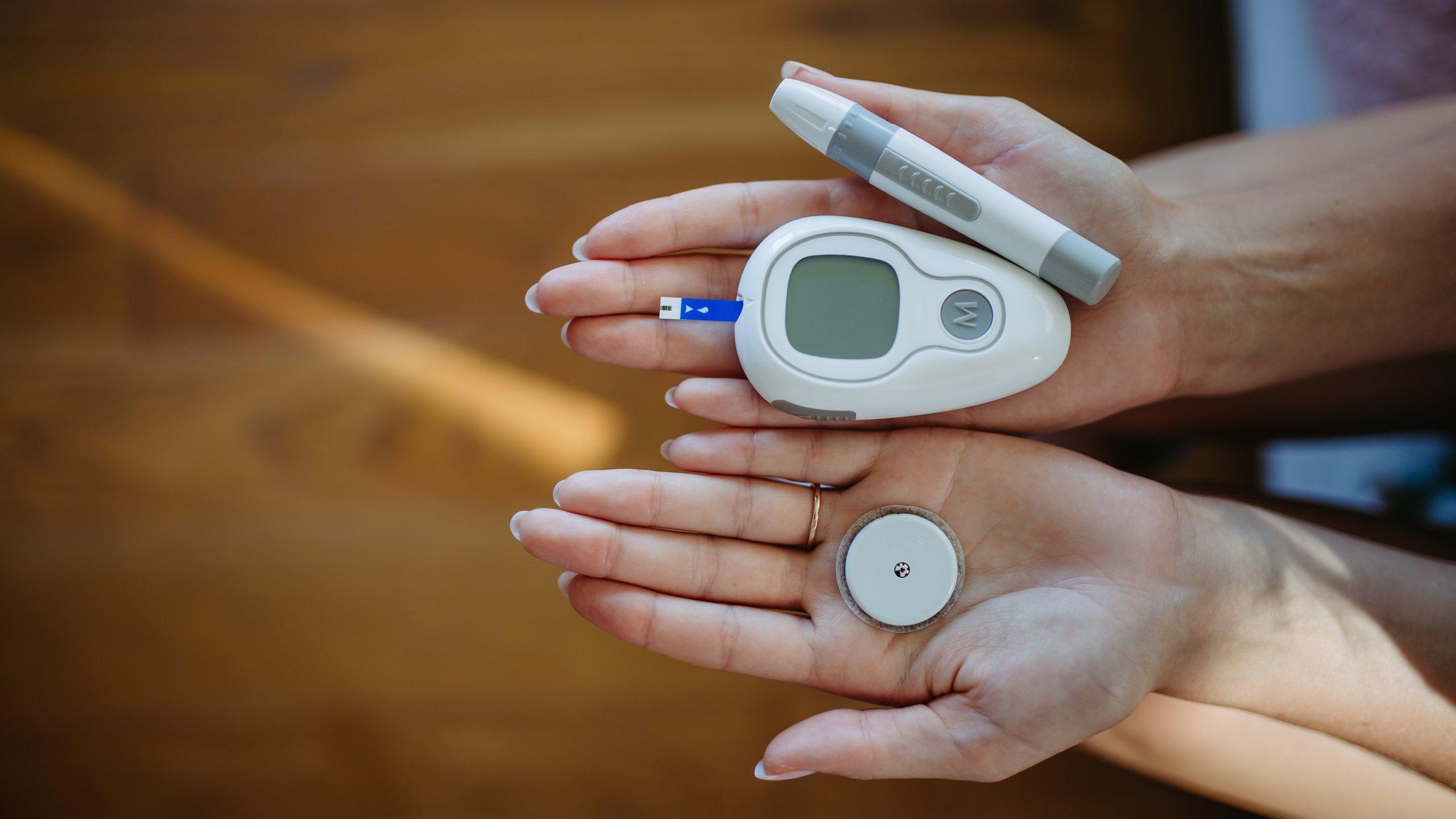
- Blood sugar monitoring
- Prescription medications when needed
A personalized treatment plan can help keep blood sugar levels within a healthy range.
Frequently Asked Questions
- What is usually the first sign of diabetes?
Increased thirst, frequent urination, and fatigue are often among the earliest signs.
- Can diabetes develop without symptoms?
Yes. Many people with prediabetes or Type 2 diabetes have few or no symptoms initially.
- Can diabetes be prevented?
While Type 1 diabetes cannot currently be prevented, healthy lifestyle habits may help reduce the risk of Type 2 diabetes.
- How is diabetes diagnosed?
Healthcare providers use blood tests to measure blood sugar levels and determine whether diabetes is present.
- Why is early diagnosis important?
Early diagnosis allows treatment to begin sooner and may reduce the risk of complications affecting the heart, kidneys, eyes, and nerves.
Conclusion
Diabetes often develops gradually, and its warning signs can be easy to miss. Recognizing symptoms early and seeking timely medical care can help protect your long-term health and prevent complications.
Medical Disclaimer: This article is for educational purposes only and is not a substitute for professional medical advice, diagnosis, or treatment. The information presented is general in nature and may not apply to your individual health situation. If you have symptoms, concerns, or questions about your health, consult a qualified healthcare professional. Reading this article does not create a doctor-patient relationship with Capital Care Clinic.
Need personalized medical advice? Our doctors can assess your individual health needs and discuss appropriate care options. Schedule an appointment online or call our office at 301-909-4000.