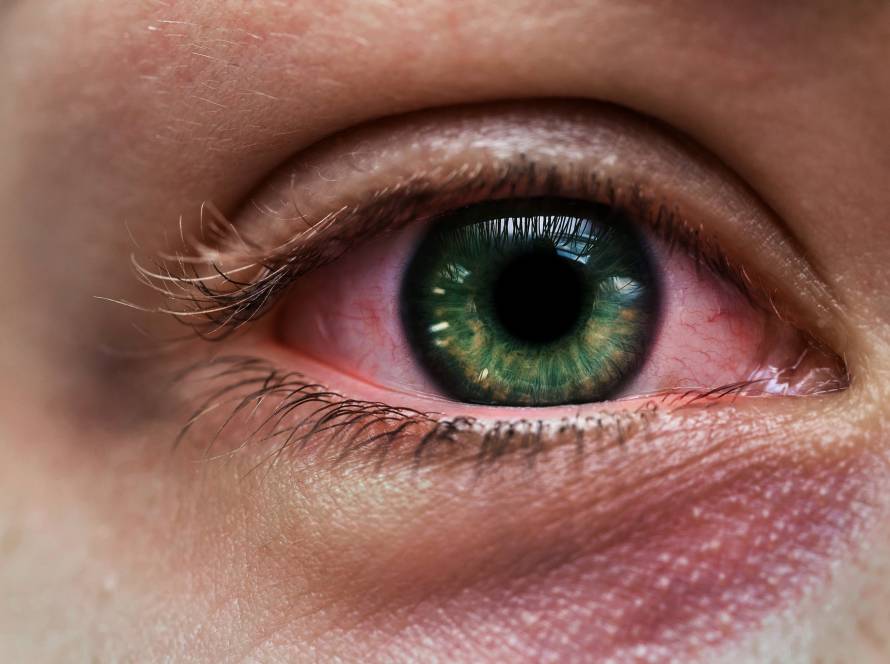
Influenza, commonly known as the flu, is a contagious viral illness that affects millions of people each year. While many cases improve with rest and home care, some flu symptoms may signal the need for medical attention.
What Are the Symptoms of the Flu?
The flu usually causes a sudden onset of symptoms that are more severe than those of a common cold. Fever, body aches, and fatigue are among the most common signs.
Flu symptoms often include:
- Fever or chills
- Cough
- Sore throat
- Runny or stuffy nose
- Headache
- Muscle or body aches
- Extreme fatigue
- Occasional nausea, vomiting, or diarrhea
Many people describe the flu as feeling like they were “hit by a bus” because symptoms often develop quickly and can be intense.
How Long Does the Flu Last?
Most people recover from the flu within a few days to two weeks. However, some symptoms, especially fatigue and cough, may last longer.
Many adults begin to feel better after several days of rest, hydration, and symptom management. However, recovery time can vary depending on age, overall health, and the severity of the illness. Some individuals are at higher risk for complications, including older adults, pregnant women, and people with chronic medical conditions.

How Is the Flu Treated?
Most flu cases can be managed with supportive care. In some situations, prescription antiviral medications may help reduce the severity and duration of symptoms.
Helpful treatment measures include:
- Getting plenty of rest
- Drinking fluids to prevent dehydration
- Using over-the-counter medications as directed
- Staying home to avoid spreading the virus
A healthcare provider may recommend antiviral medication if treatment begins early or if you are at higher risk for flu-related complications.
Frequently Asked Questions
1. How do I know if I have the flu or a cold?
The flu typically causes a sudden onset of fever, body aches, and significant fatigue, while cold symptoms are usually milder and develop gradually.
2. Can the flu be treated with antibiotics?
No. Antibiotics do not treat viral infections like influenza.
3. How long am I contagious with the flu?
Most people can spread the flu beginning about a day before symptoms start and for several days afterward.
4. Should I stay home if I have the flu?
Yes. Staying home helps you recover and reduces the risk of spreading the virus to others.
5. Can the flu lead to complications?
Yes. In some cases, the flu can lead to pneumonia, sinus infections, ear infections, or worsening of chronic medical conditions.
Conclusion
Most people recover from the flu without complications, but certain symptoms should never be ignored. Recognizing when to seek medical care can help protect your health and prevent more serious illness.
Medical Disclaimer: This article is for educational purposes only and is not a substitute for professional medical advice, diagnosis, or treatment. The information presented is general in nature and may not apply to your individual health situation. If you have symptoms, concerns, or questions about your health, consult a qualified healthcare professional. Reading this article does not create a doctor-patient relationship with Capital Care Clinic.
Need personalized medical advice? Our doctors can assess your individual health needs and discuss appropriate care options. Schedule an appointment online or call our office at 301-909-4000.