The common cold and the flu can cause similar symptoms, but they are different illnesses. Knowing the difference can help you decide when home care is enough and when you should seek medical attention.
What Is the Common Cold?
The common cold is usually a mild viral infection that affects the nose and throat. Most people recover within a week to ten days without medical treatment.
Colds are caused by several different viruses and commonly spread through respiratory droplets or contact with contaminated surfaces.
Typical cold symptoms include:
- Runny or stuffy nose
- Sneezing
- Mild sore throat
- Mild cough
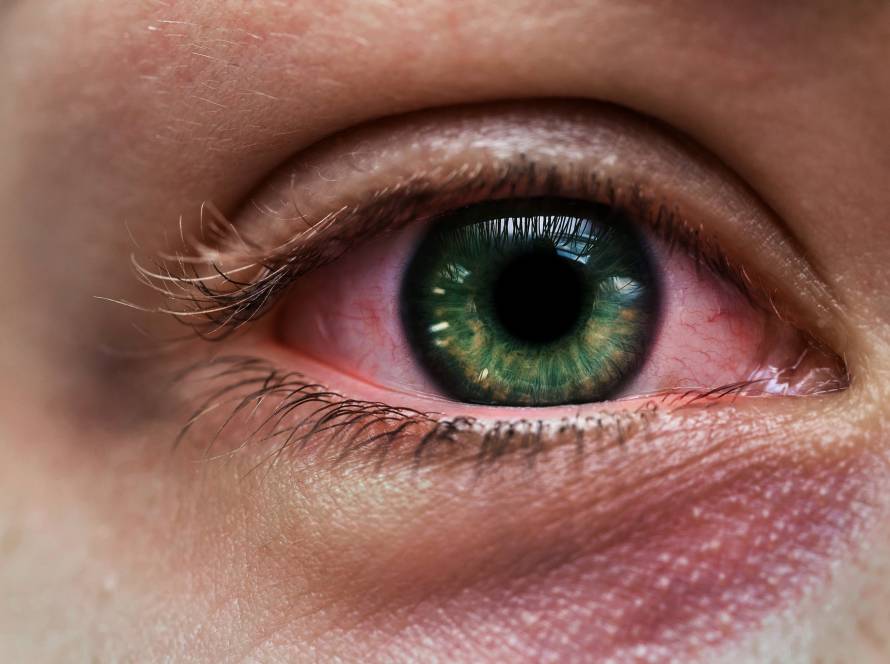
- Watery eyes
- Mild fatigue
Cold symptoms usually develop gradually and tend to be relatively mild.
What Is the Flu?
The flu, or influenza, is a viral infection that often causes more severe symptoms than a common cold. It can lead to serious complications in some individuals.
The flu often comes on suddenly and can make you feel significantly ill.
Common flu symptoms include:
- Fever and chills
- Body aches
- Headache
- Fatigue
- Dry cough
- Sore throat
- Nasal congestion
Many people with the flu report feeling exhausted and unable to carry out normal daily activities.
How Can You Tell the Difference?
The biggest difference is typically the severity and speed of symptom onset. Flu symptoms usually appear suddenly and are more intense than cold symptoms.
Signs that may suggest a cold:
- Gradual onset
- Runny or stuffy nose
- Sneezing
- Mild fatigue
- Mild sore throat
Signs that may suggest the flu:
- Sudden onset
- Fever and chills
- Significant body aches
- Severe fatigue
- Headache
- Dry cough
While these differences can provide clues, testing may be needed to confirm a flu diagnosis.

How Are Cold and Flu Treated?
Most people recover from both illnesses with rest, hydration, and symptom management. If diagnosed early, certain patients with the flu may qualify for prescription antiviral treatment.
Treatment options for both a cold and the flu include:
- Getting plenty of rest
- Drinking fluids
- Using a humidifier
- Taking over-the-counter medications as appropriate
- Staying home to avoid spreading illness
Frequently Asked Questions
1. Is the flu more serious than a cold?
Yes. The flu generally causes more severe symptoms and carries a higher risk of complications.
2. Can you have a fever with a cold?
A high fever is uncommon in adults with a simple cold but is more common with the flu.
3. How long does the flu last?
Most people recover within several days to two weeks, although fatigue may last longer.
4. Do antibiotics treat colds or the flu?
No. Antibiotics do not treat viral infections such as colds or influenza.
5. How can I reduce my risk of getting sick?
Wash your hands frequently, avoid close contact with sick individuals, and stay up to date with recommended flu vaccinations.
Conclusion
Although colds and the flu share many symptoms, the flu is usually more severe and develops more suddenly. Recognizing the differences can help you seek appropriate care and avoid complications.
Medical Disclaimer: This article is for educational purposes only and is not a substitute for professional medical advice, diagnosis, or treatment. The information presented is general in nature and may not apply to your individual health situation. If you have symptoms, concerns, or questions about your health, consult a qualified healthcare professional. Reading this article does not create a doctor-patient relationship with Capital Care Clinic.
Need personalized medical advice? Our doctors can assess your individual health needs and discuss appropriate care options. Schedule an appointment online or call our office at 301-909-4000.