As children head back to school, they are exposed to new routines, busy schedules, and more opportunities to catch common illnesses. Taking a few simple steps can help support your child’s health, reduce sick days, and set them up for a successful school year.
Why Is Back-to-School Health Important?
The back-to-school season often brings increased exposure to germs, changes in sleep schedules, and higher stress levels. Preparation can help children stay healthy and focused while in the classroom. When kids return to school, they spend more time around large groups of people, making it easier for viruses and other infections to spread. In addition, adjusting to new routines can affect sleep, nutrition, and overall well-being. A proactive approach to health can help prevent common problems before they start.
Keep Vaccinations Up to Date
Vaccinations are one of the most effective ways to protect children from serious illnesses and help keep schools healthier. Before the academic year begins, review your child’s vaccination records and make sure they meet recommended immunization schedules. Vaccines help protect against diseases such as measles, whooping cough, and influenza. Annual flu vaccination is also important for many children and can help reduce the risk of seasonal illness. If you’re unsure whether your child is due for any vaccines, your primary care physician can review their records and provide guidance.
Prioritize Healthy Sleep Habits
Adequate sleep supports learning, mood, growth, and immune function. Children who get enough sleep are often better able to concentrate and perform well in school.
Many children stay up later during school breaks, making the transition back to school difficult. Start adjusting bedtime and wake-up times one to two weeks before school starts. Helpful sleep tips include:
- Maintaining a consistent sleep schedule
- Creating a calm bedtime routine
- Limiting screen time before bed
- Ensuring the bedroom is quiet and comfortable
Focus on Nutrition and Hydration
Healthy meals and proper hydration provide the energy children need to learn, play, and stay healthy.
Aim to provide balanced meals that include fruits, vegetables, whole grains, lean proteins, and healthy fats. Encourage children to eat breakfast, which can help improve concentration and energy levels throughout the day.
Don’t forget hydration. Sending a reusable water bottle to school can encourage regular water intake and help prevent dehydration.
Teach Good Hygiene Practices
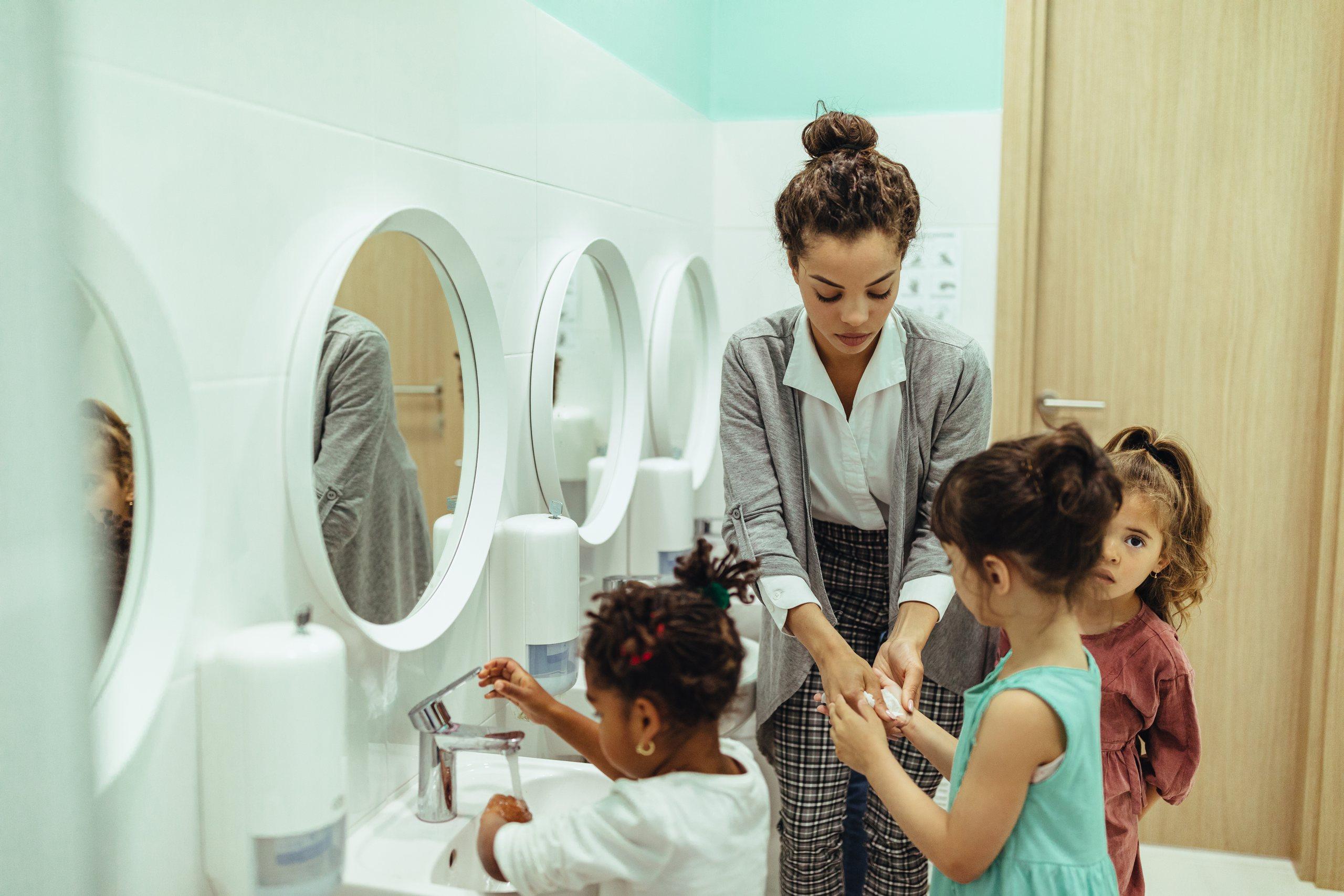
Simple hygiene habits can significantly reduce the spread of germs at school. Remind children to:
- Wash their hands frequently with soap and water
- Cover coughs and sneezes with a tissue or their elbow
- Avoid touching their face whenever possible
- Avoid sharing drinks, utensils, or personal items
These habits can help reduce the transmission of common illnesses such as colds, flu, and stomach viruses.
Support Physical and Mental Health
Regular physical activity and emotional support are both essential for a healthy school year. Children should aim for daily physical activity through sports, outdoor play, or other enjoyable movements. Exercise supports physical health, sleep quality, and emotional well-being.
It’s also important to check in on your child’s mental health. Changes in mood, school-related anxiety, difficulty concentrating, or social concerns should be taken seriously. Open communication can help children feel supported and understood.
Schedule Annual Checkups
Routine wellness visits help monitor growth, development, and overall health before problems arise.
A back-to-school physical exam allows your healthcare provider to review immunizations, evaluate growth and development, discuss nutrition and sleep, and address any concerns about learning, behavior, or sports participation.
Frequently Asked Questions
- How can I help my child avoid getting sick at school?
Encourage regular handwashing, healthy eating, adequate sleep, physical activity, and staying current on recommended vaccinations. - How much sleep does my child need?
Sleep needs vary by age, but most school-age children require approximately 9 to 12 hours of sleep per night, while teenagers generally need 8 to 10 hours. - Should my child get a flu shot every year?
Annual influenza vaccination is recommended for most children and helps reduce the risk of flu-related illness and complications. - What should I pack in a healthy school lunch?
Include a balance of fruits, vegetables, whole grains, lean protein, and water. Limiting highly processed snacks can support overall health. - Why are annual wellness exams important?
Wellness visits help monitor growth and development, keep vaccinations current, identify potential health concerns early, and ensure children are ready for school activities.
Conclusion
Keeping kids healthy during back-to-school season starts with simple habits such as staying up to date on vaccinations, getting enough sleep, eating nutritious foods, practicing good hygiene, and attending regular checkups. These steps can help children stay healthy, miss fewer school days, and thrive throughout the academic year.
If your child is due for a wellness visit or you have concerns about their health, schedule an appointment with our clinic. Our team is here to help your family stay healthy all year long.
Medical Disclaimer: This article is for educational purposes only and is not a substitute for professional medical advice, diagnosis, or treatment. The information presented is general in nature and may not apply to your individual health situation. If you have symptoms, concerns, or questions about your health, consult a qualified healthcare professional. Reading this article does not create a doctor-patient relationship with Capital Care Clinic.
Need personalized medical advice? Our doctors can assess your individual health needs and discuss appropriate care options. Schedule an appointment online or call our office at 301-909-4000.